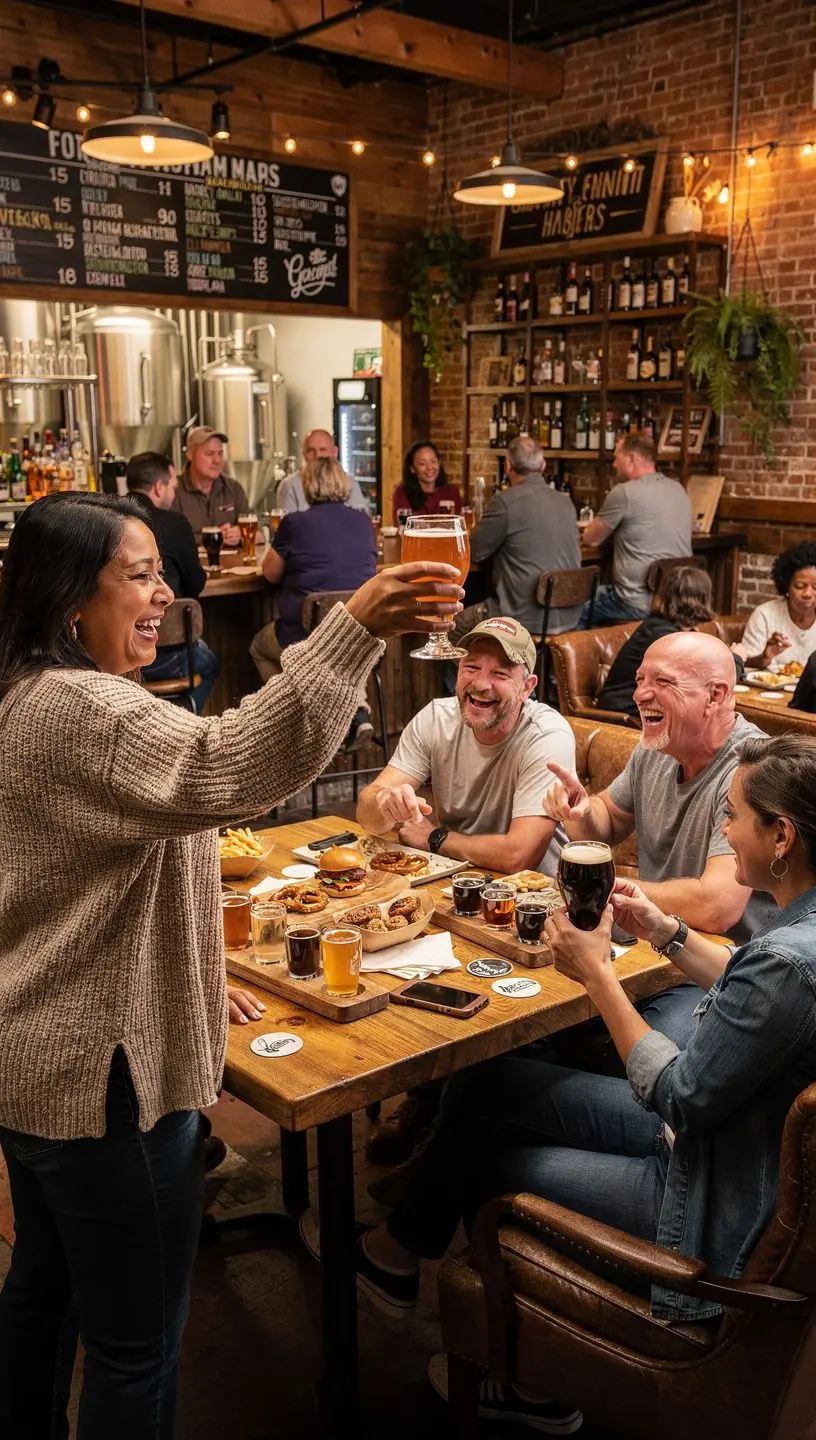
Exploring Culinary Events as a Community Bonding Tool
Culinary events have emerged as a significant means of bringing communities together, especially for the 40-60 age demographic. These gatherings not only celebrate local culture and cuisine but also foster relationships among neighbors and friends. In this article, we will delve into how culinary events can serve as effective community bonding tools, highlighting their importance and offering practical insights on organizing such events.
Understanding the Role of Culinary Events
Culinary events typically include food festivals, cooking classes, and farmers' markets. According to research from the National Restaurant Association, participation in these events can enhance community engagement by 30-40%. This increase largely stems from shared experiences and interactions that these gatherings promote.
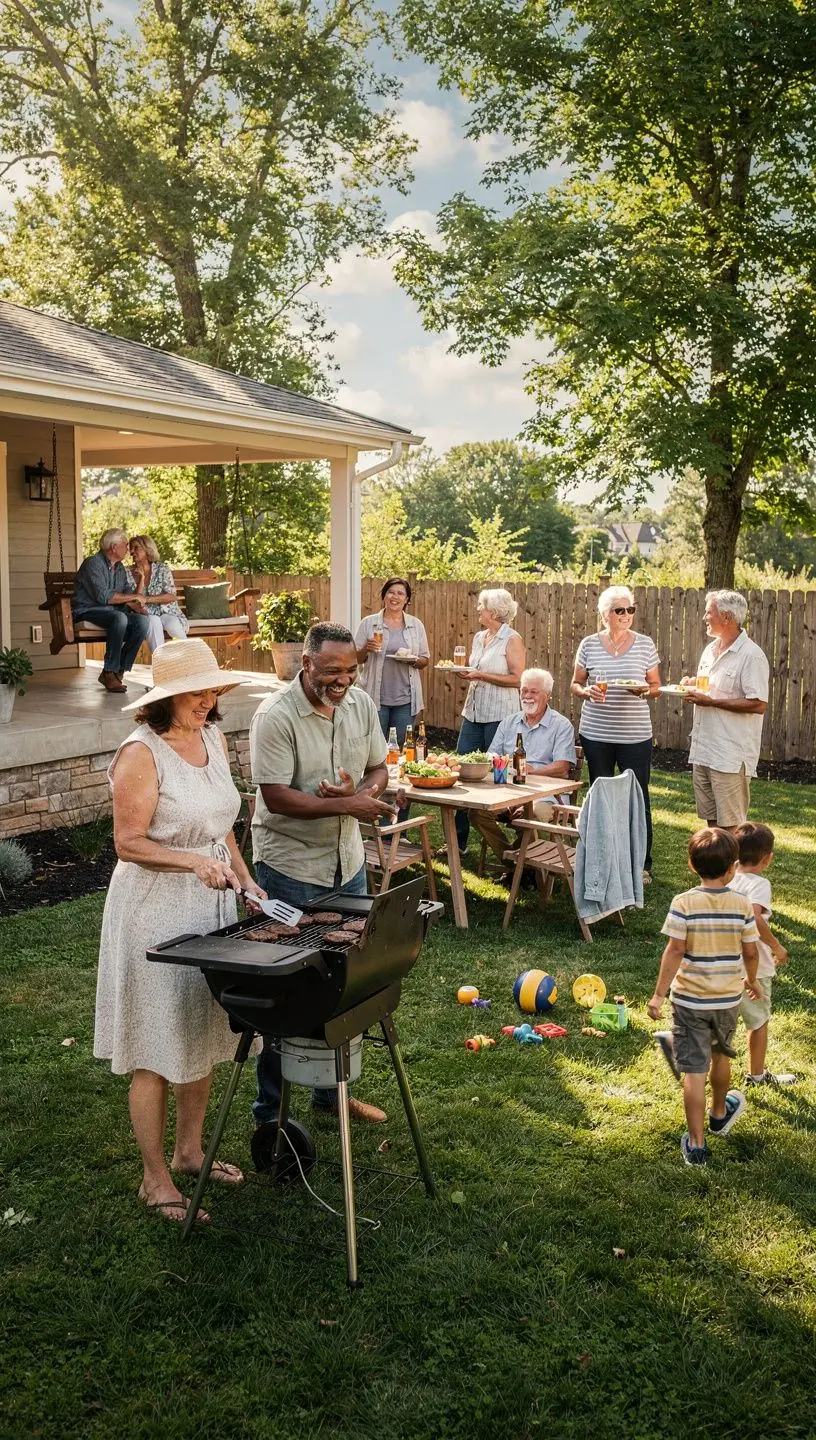
"Food is a universal language that can bridge gaps and unite people from diverse backgrounds." – Culinary Expert
Why Culinary Events Strengthen Community Bonds
There are several reasons why culinary events are effective in enhancing community connections:
- Shared Experiences: Attendees often find common ground through their love for food, creating a sense of belonging and unity.
- Local Economic Support: By featuring local vendors and chefs, these events encourage residents to support their community's economy, which in turn generates goodwill and social ties.
- Educational Opportunities: Cooking classes and demonstrations can provide valuable skills and knowledge, empowering community members and fostering a learning environment.
Practical Steps to Organize Culinary Events
If you're considering organizing a culinary event in your community, here are some actionable steps to get started:
- Assess Community Interests: Conduct surveys or hold meetings to gauge the types of culinary events your community members are interested in. This step is crucial, as it ensures the event aligns with local preferences.
- Collaborate with Local Businesses: Partner with local chefs, restaurants, and farmers to source ingredients and expertise. This collaboration often results in more authentic and enjoyable experiences.
- Plan for Accessibility: Ensure your event is accessible to all community members, including those with mobility issues. Consider location, transportation, and facilities when planning.
Challenges and Limitations
While organizing culinary events can be rewarding, it also involves challenges. Typically, planning such events can take 2-4 months, requiring significant effort and community involvement. Additionally, it is essential to understand that not every event will attract large crowds; factors like weather and scheduling can impact attendance. Thus, a flexible approach and realistic expectations are key.
Conclusion
Culinary events are not just about food; they are about building connections and fostering community spirit. By understanding the benefits and challenges of organizing such gatherings, community leaders and residents can create effective bonding experiences. As studies suggest, investing time and effort into these events can yield significant social rewards, making them a valuable addition to local activities.
Continue Reading