Understanding Seasonal Festivals and Their Traditions
Seasonal festivals have been a vital part of cultural expression across communities in the United States. These events not only mark the changing seasons but also showcase the rich tapestry of traditions that accompany them. This article explores the significance of these festivals, the traditions involved, and how communities engage in these celebrations.
The Importance of Seasonal Festivals
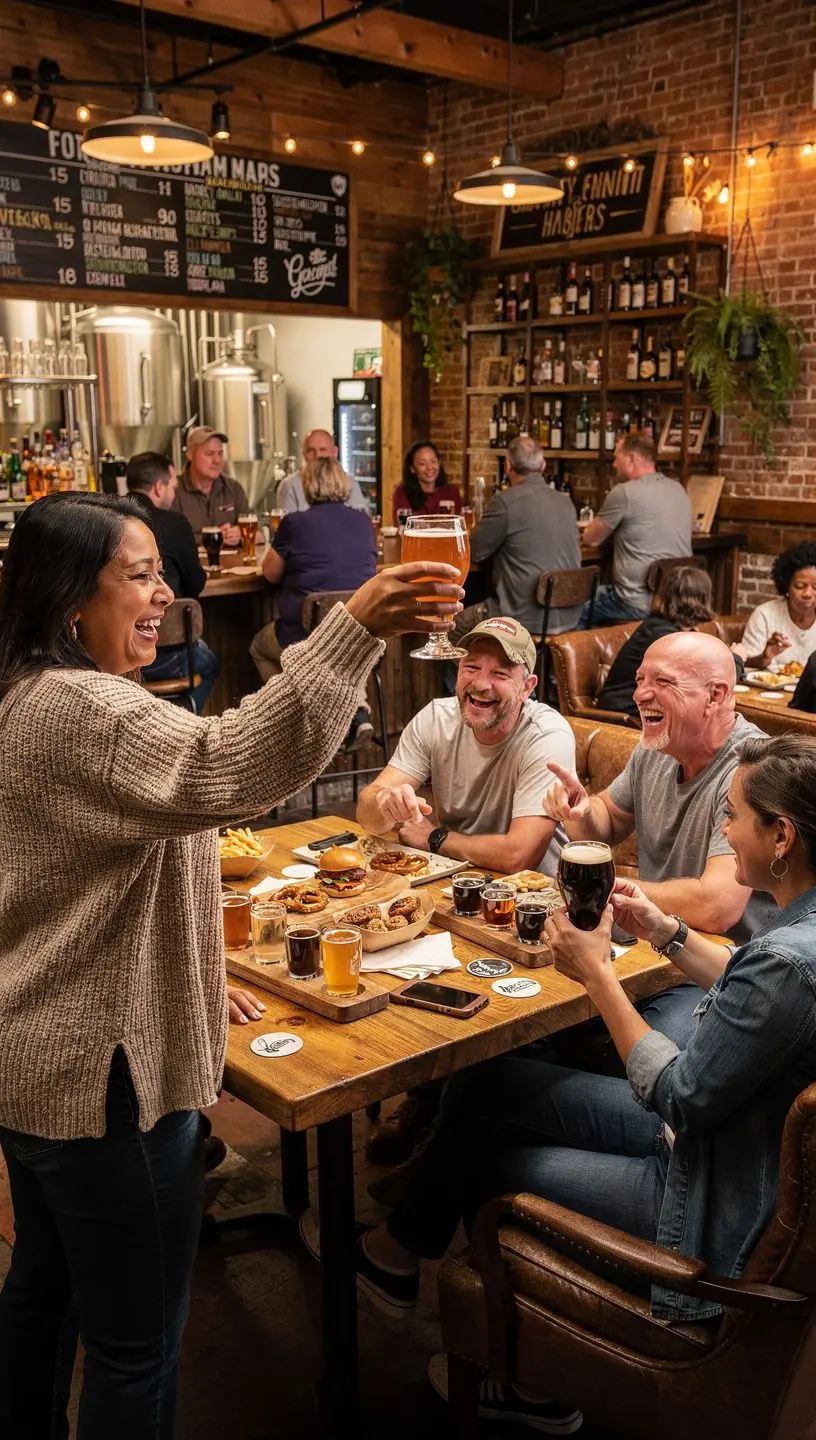
Seasonal festivals serve as a way to bring communities together, fostering a sense of belonging and shared identity. According to cultural studies, festivals can create social cohesion, with many communities reporting enhanced relationships among residents during these events. Typically, these festivals are tied to agricultural cycles, religious observances, or local history, making them significant in various ways.
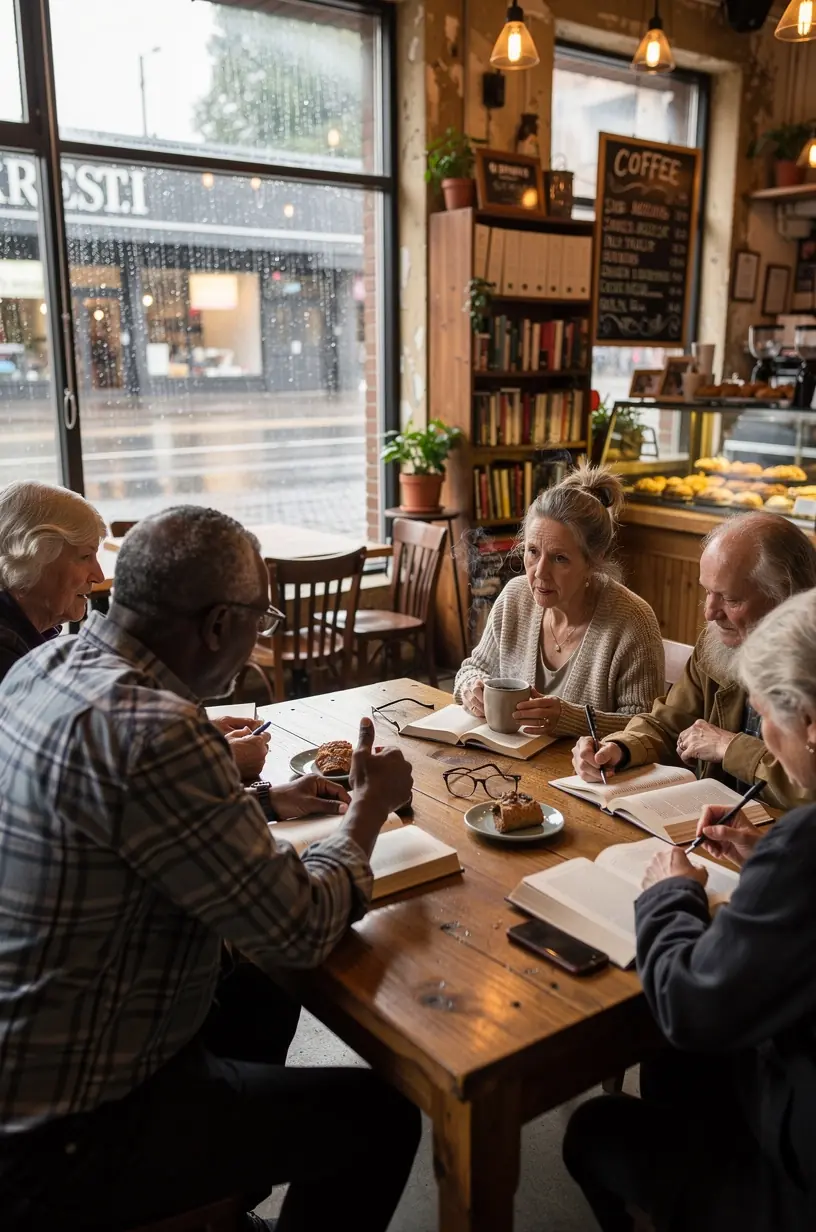
"Festivals provide a platform for cultural expression and community bonding, enhancing local pride and identity." - Cultural Sociologist
Key Traditions Associated with Festivals
Each seasonal festival has its unique set of traditions that reflects its cultural background. Here are some of the most common ones:
- Harvest Festivals: Often held in autumn, these celebrations typically involve feasting and gratitude for the bounty of crops. Research from agricultural studies shows that these festivals not only celebrate harvests but also educate younger generations about farming practices.
- Winter Celebrations: Many cultures celebrate the winter solstice with traditions that involve light, warmth, and community gatherings. Experts suggest that these practices help alleviate the winter blues, promoting mental well-being during colder months.
- Spring Festivals: These often symbolize renewal and rebirth. Activities may include flower festivals, parades, and community service projects aimed at spring cleaning and beautification efforts.
How Communities Engage in Festivals
Engagement in seasonal festivals can vary significantly between communities. Many local governments and organizations collaborate to organize events that may include:
- Workshops and Educational Programs: These are often employed to teach attendees about the historical and cultural significance of the festival.
- Art and Craft Exhibitions: Local artists frequently showcase their work at these festivals, supporting community talent and stimulating local economies. Surveys show that such exhibitions can increase local tourism.
- Food and Music: Culinary experiences and musical performances are central to most festivals, often featuring local cuisine and artists to enhance the cultural experience.
Challenges and Limitations
While seasonal festivals can have numerous benefits, there are challenges associated with organizing them. It typically requires significant planning, funding, and community participation. Local governments and organizations often need to secure permits, sponsor funds, and coordinate logistics, which can be time-consuming and requires dedicated effort. Moreover, the success of these festivals may depend on factors such as weather conditions and community interest.
Conclusion
Seasonal festivals are more than just celebrations; they are an embodiment of cultural heritage and community spirit. Understanding their significance and the traditions involved can enrich one’s experience and appreciation of these events. By participating in local festivals, individuals not only contribute to the vibrancy of their communities but also help preserve valuable cultural practices for future generations. As communities continue to adapt and innovate their celebrations, the educational and social benefits of these festivals are expected to grow.